
This week’s Wellness Newsletter is here.
It’s been a busy week with extra Reformer classes and new Sculpt workouts added to my online timetable, and it’s lovely to see the mornings getting lighter again.
I’m also starting to prepare for lots of outdoor classes this year and getting my outdoor space ready. I have plenty of wellness events and special classes planned over the coming months, so if you fancy a little road trip, do come and visit the studio sometime. I’d love to see you.
The studio is based at NG16 4HA.
If you’d like to try my online classes, I’m currently running a special Spring promotion where you can join me for half price for four weeks.
You can check out all the details below.
The Power of Gratitude
In this newsletter I’ve talked about hormones, nutrition, habits and exercise. All of these play a huge role in our health and wellbeing.
But I also wanted to touch on something much simpler that can have a powerful impact on how we feel every day.
Gratitude.
Gratitude might seem like a small thing, but research shows it can significantly improve mental wellbeing, reduce stress and even influence physical health. When we practise gratitude regularly, it can actually change the way the brain processes experiences and help create a more positive mindset.
Why Gratitude Works
Our brains naturally have what scientists call a negativity bias. This means we tend to focus more on problems, stress and things that might go wrong. Historically this helped humans survive, but in modern life it can lead to overthinking and worry.
Gratitude gently shifts attention in the opposite direction. It encourages the brain to notice positive experiences, even small everyday moments.
When we practise gratitude consistently, the brain gradually becomes better at recognising the good things in our lives.
How Gratitude Changes Brain Chemistry
Gratitude also influences several important brain chemicals.
Dopamine is often called the reward chemical. When we reflect on something positive, dopamine is released and we experience feelings of pleasure and motivation.
Serotonin helps regulate mood and emotional wellbeing. Gratitude practices can increase serotonin activity, supporting feelings of calm and stability.
Oxytocin, sometimes called the bonding hormone, increases when we express appreciation to others. This strengthens relationships and feelings of connection.
Gratitude can also help reduce cortisol, the body’s main stress hormone.
Over time these changes help shift the brain into a calmer and more positive state.
How Gratitude Rewires the Brain
The brain has the ability to adapt and change through a process called neuroplasticity. The thoughts and behaviours we repeat strengthen certain neural pathways.
If we repeatedly focus on stress or problems, those pathways become stronger.
Gratitude helps create new pathways that encourage the brain to:
- Notice positive moments
- Appreciate small daily experiences
- Feel more optimistic
- Reduce stress and anxiety
With regular practice, gratitude becomes a natural habit of thinking.
Simple Gratitude Practices
Gratitude does not need to take a lot of time. Even a few minutes can make a difference.
You might try writing down three things you are grateful for at the end of the day. They don’t need to be big moments. It could be a conversation with a friend, a walk outside, a great workout or simply feeling energised.
Another simple practice is gratitude during a walk. Take a moment to appreciate the fresh air, nature around you or simply the fact that your body is able to move.
You can also practise gratitude for your body by focusing on what it allows you to do rather than how it looks. Strength, balance, movement and energy are all things worth appreciating.
And of course, expressing gratitude to someone else can be incredibly powerful. Sending a message or simply saying thank you strengthens relationships and boosts wellbeing for both people.
The Key to Making Gratitude Work
Like exercise, gratitude works best when practised regularly.
Even one or two minutes a day can gradually train the brain to notice more positive experiences.
Over time people often notice improved mood, reduced stress and a greater appreciation for everyday life.
A Little Moment of Gratitude
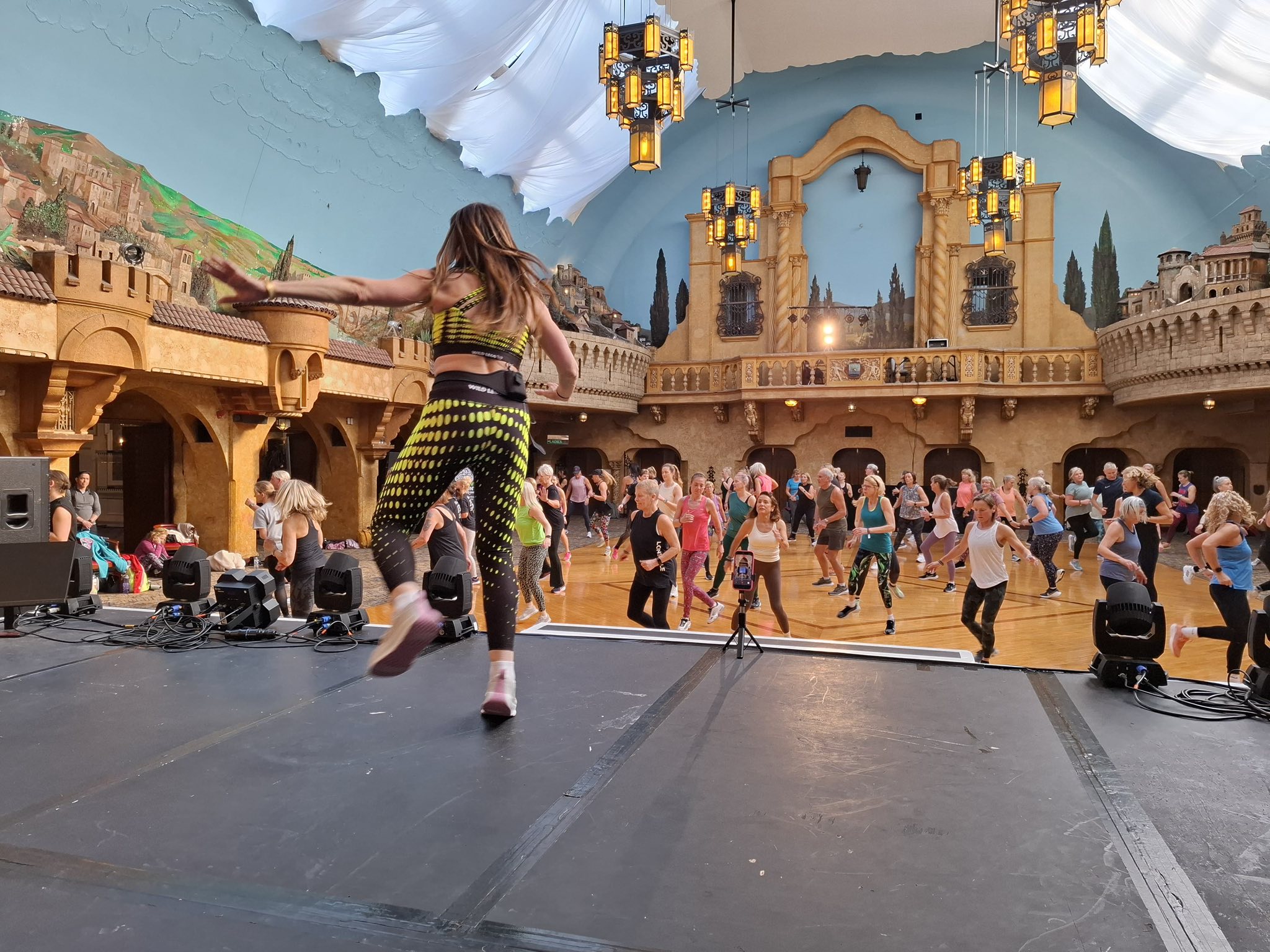
Yesterday I taught a step class and it made me so happy. The music, the energy in the room, the smiles on everyone’s faces. At the end we all hugged and there was such a lovely atmosphere.
Group exercise really does bring me so much joy and I’m incredibly grateful to be able to do what I love.
What about you?
What is one small thing you feel grateful for today?
Wishing you a wonderful week.
Rachel x
Questions – whats app me07976 268672
Ps For my local Reformer Classes In my STUDIO in NG16 4HA Click herecome and see me and book a class! I Would LOVE to see you
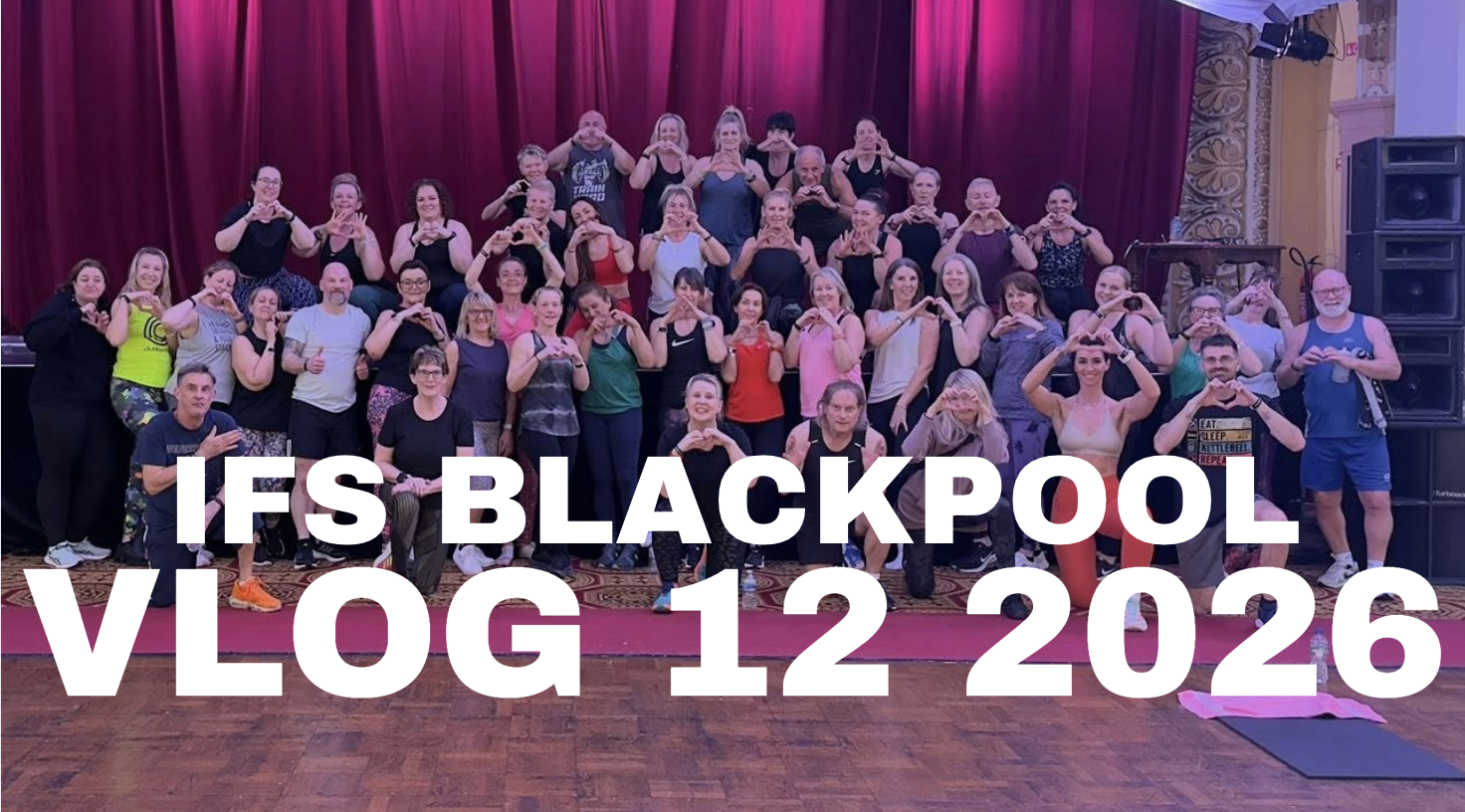
PPS I set a goal this year to start a weekly vlog and document running a fitness business, being a training provider, organising events and post in on Youtube every Saturday if you would like to watch here is this weeks id love you to see CLICK HERE